Visitors to Castle Howard today can discover the history and splendour of the spectacular house, with its collection of internationally significant artworks. Though a destructive fire in 1940 damaged much of the building – including numerous artworks – costly repairs have returned much of the house to its former glory. The impressive Castle Howard Archive contains books, letters and images which document the fascinating history of the estate and its inhabitants.
The house is familiar to many around the world as the home of the fictional Marchmain family, having been central to the different screen and TV adaptations of Evelyn Waugh’s 1945 classic, Brideshead Revisited.
The grounds are vast and beautiful, with ancient woodland, varied topography and waterways large and small; a haven for wildlife. The sweeping views draw the eye to the Great Lake, where an array of birdlife can be spotted, including swans, oyster catchers, kingfishers and even the increasingly rare turtle dove and the great crested grebe.
Beyond these natural features, the estate is also home to several ornate and distinctive follies, temples and monuments, hidden throughout the grounds.
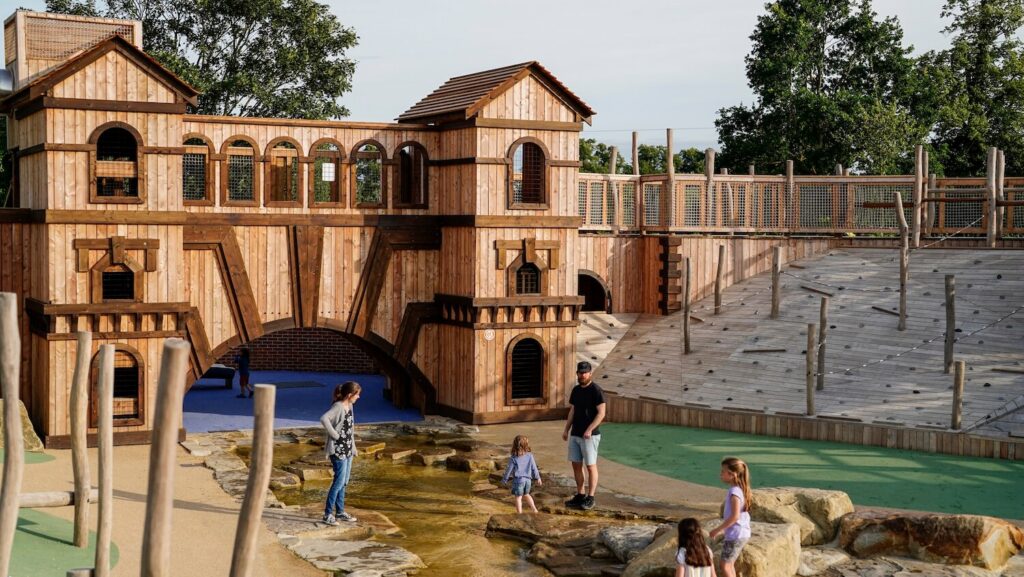
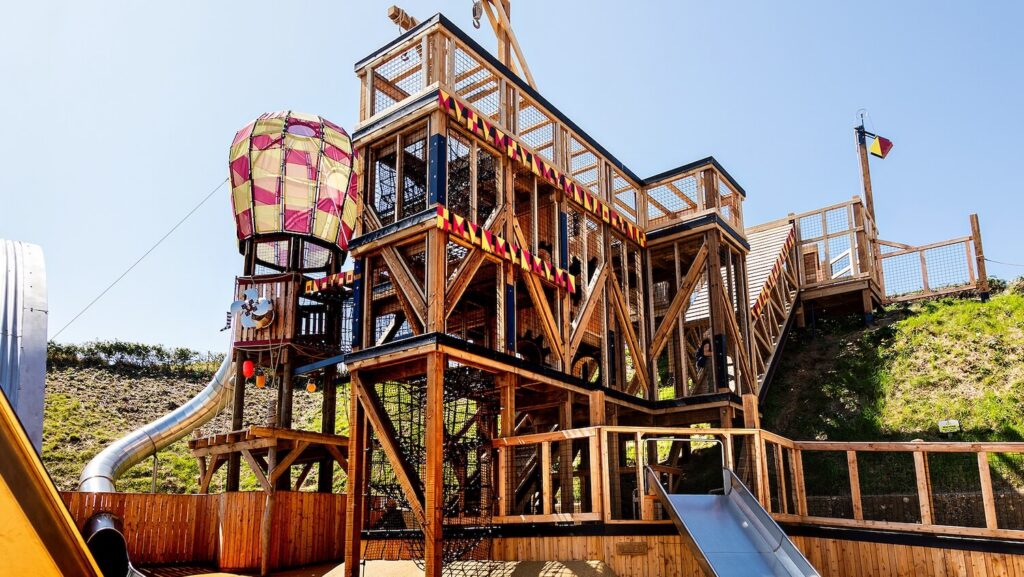
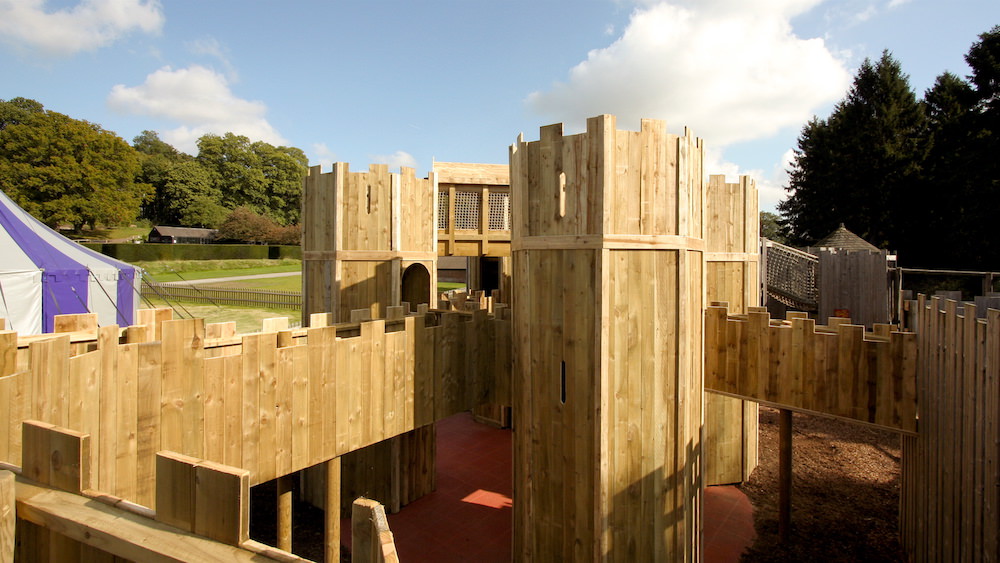
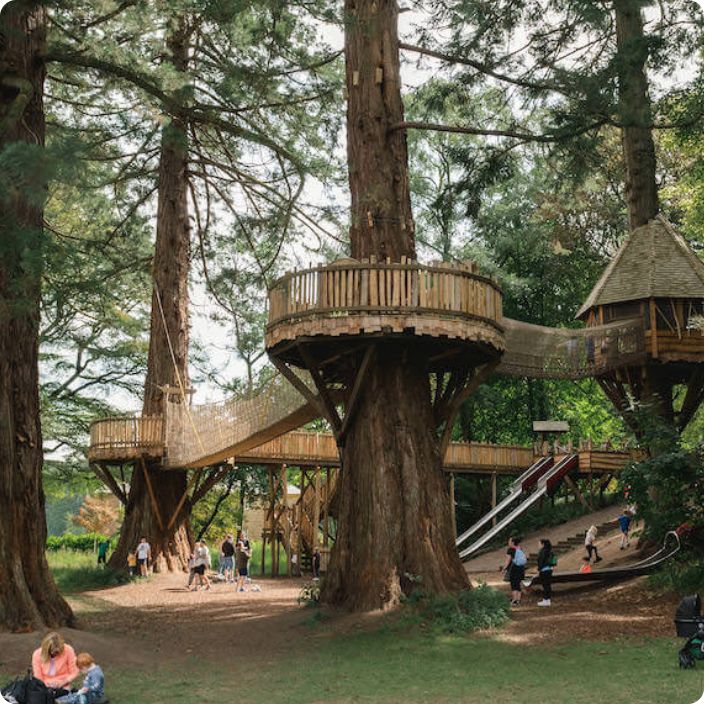
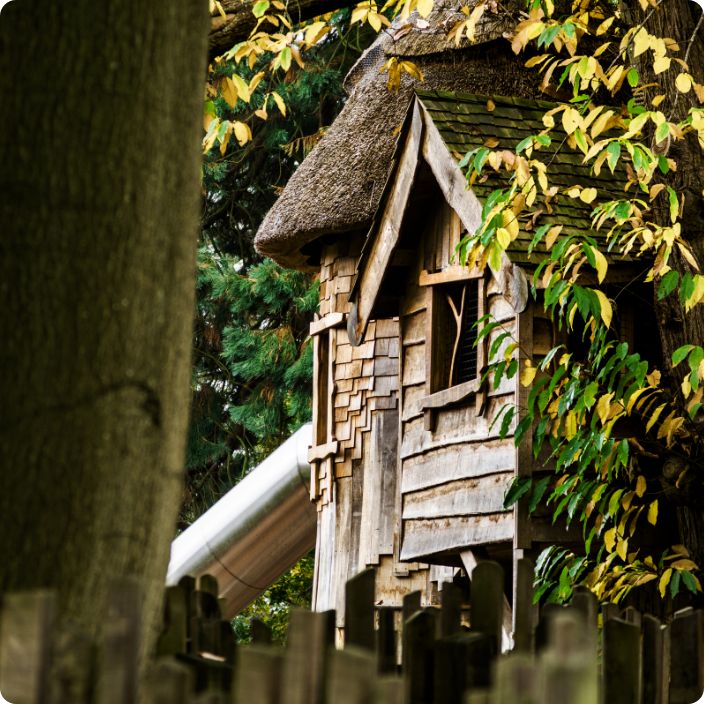
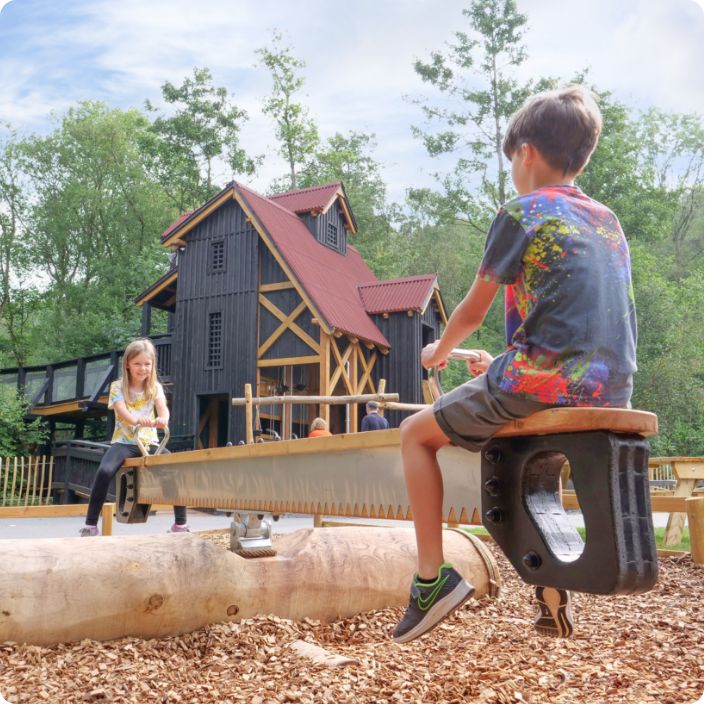
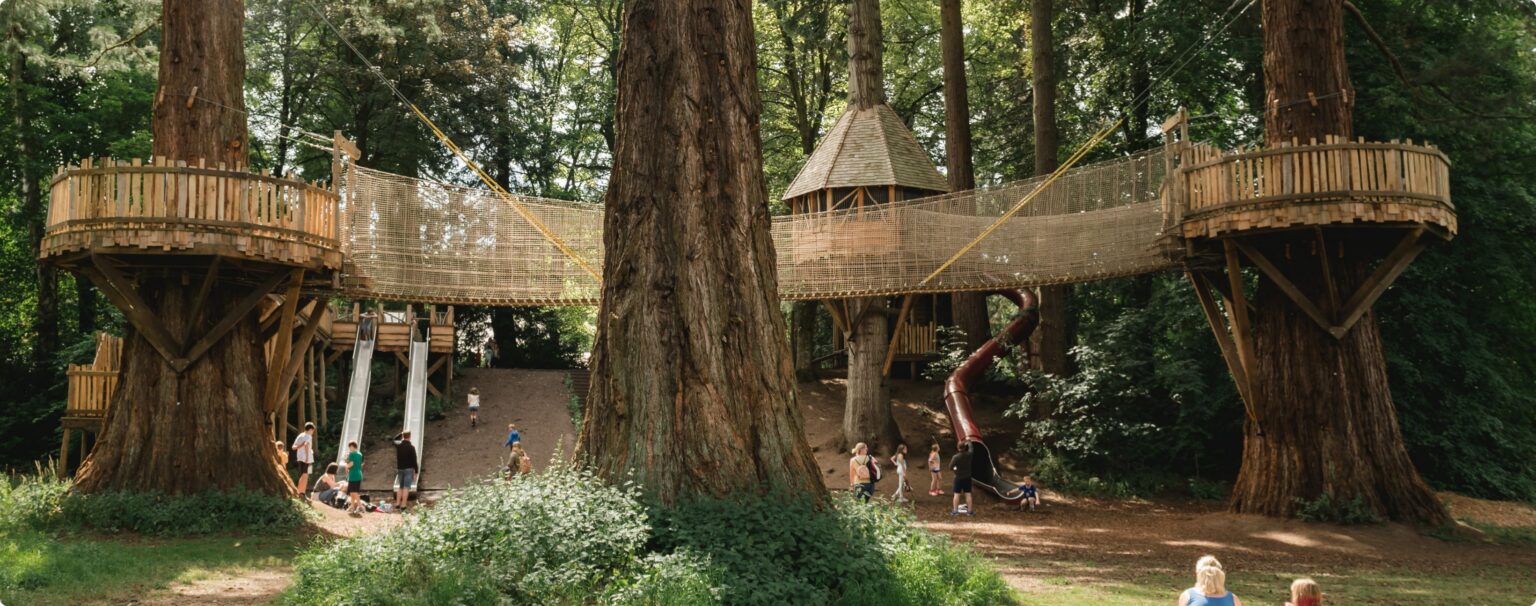
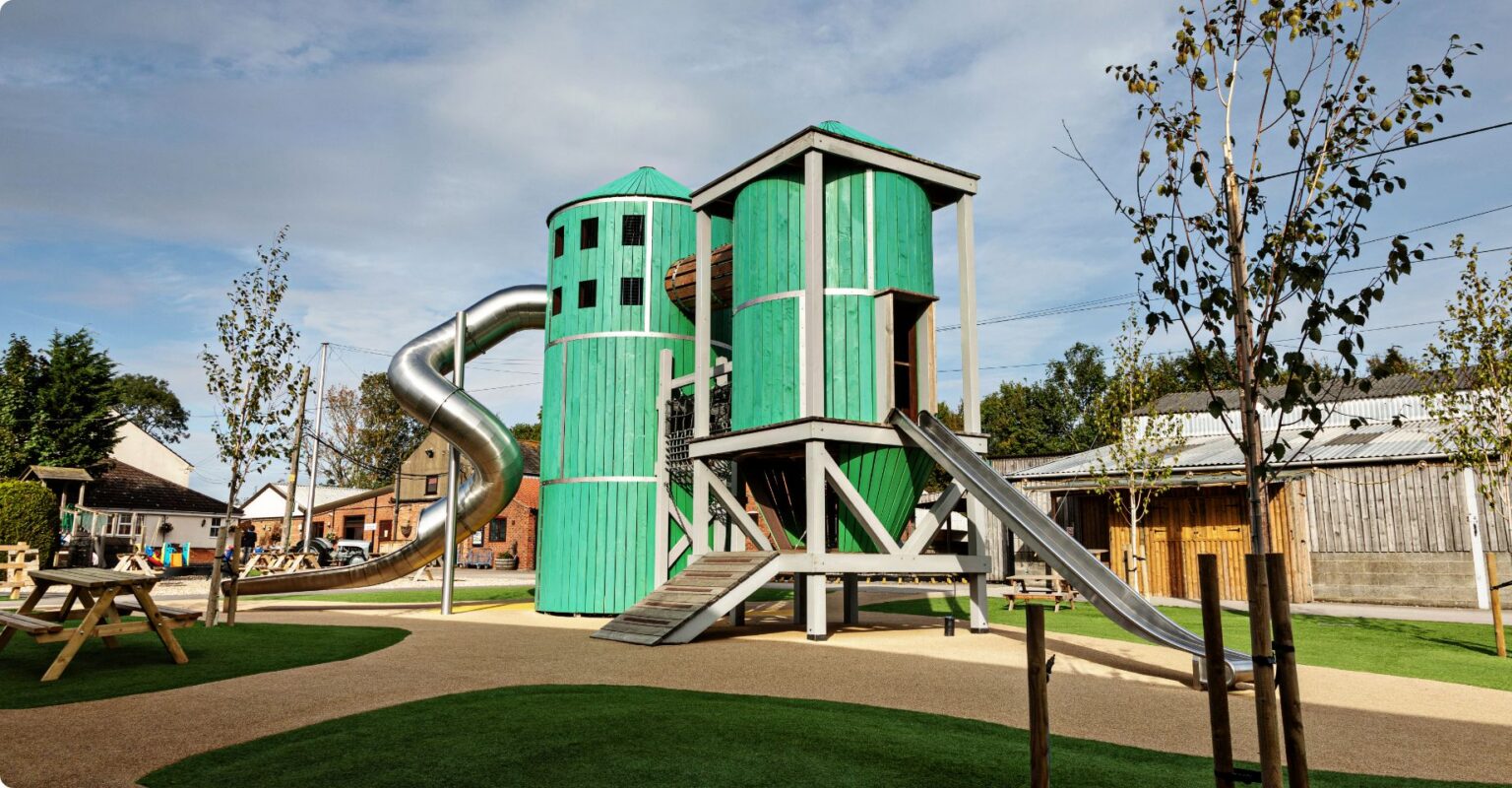
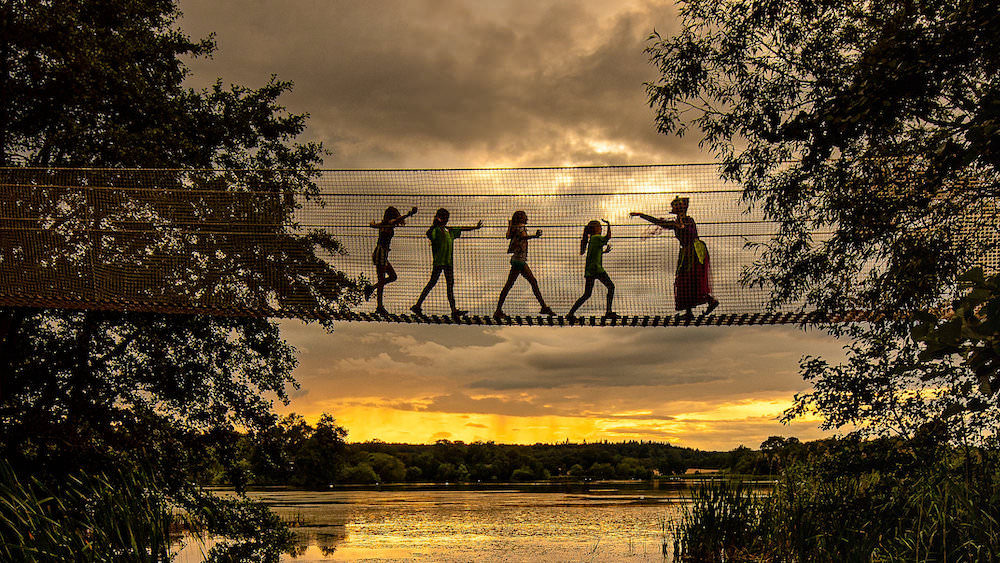
Within the gardens there is an existing adventure playground, located alongside the Boathouse at the foot of Ray Wood, with views over the Great Lake. As can be seen from the images below, it has swings, towers, slides and bridges.
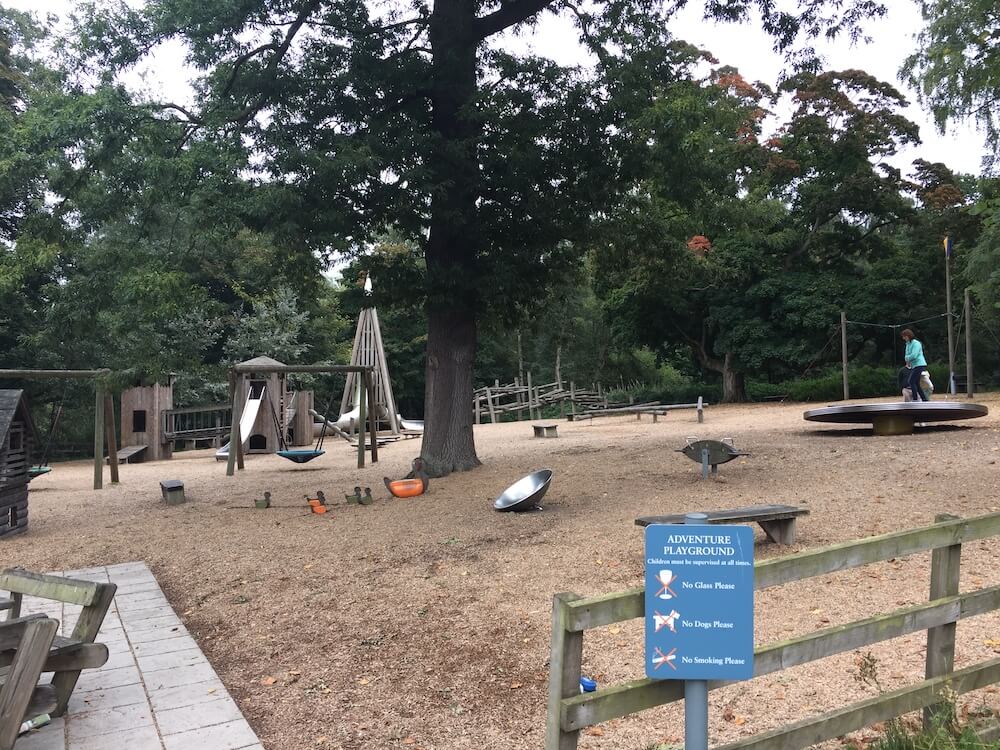
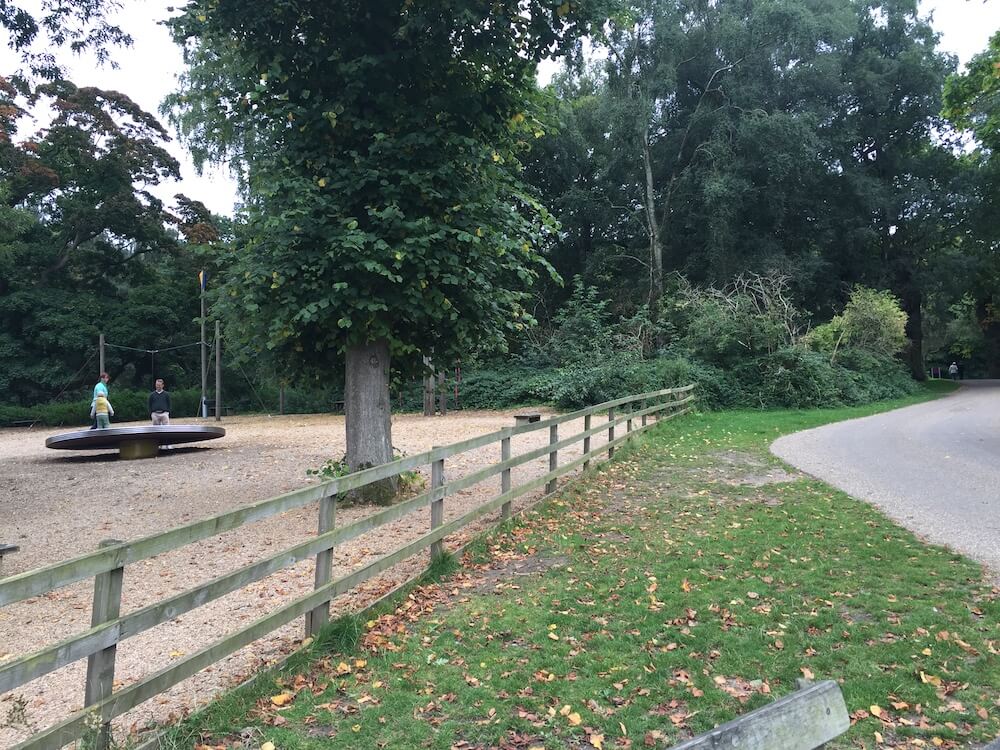
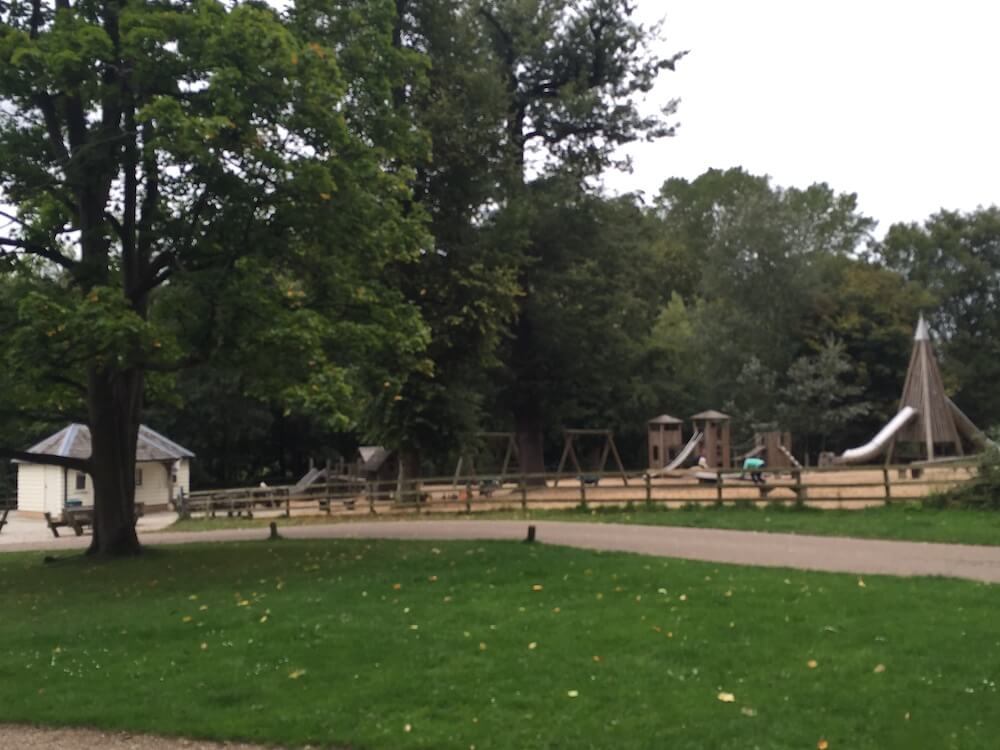
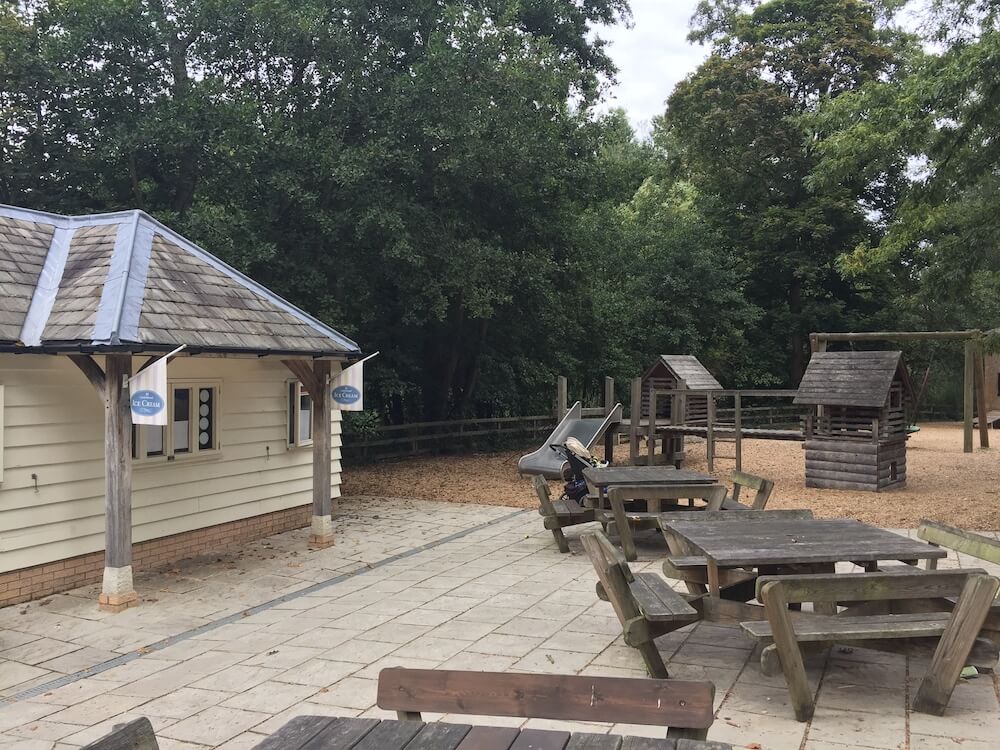
This existing play is limited in its scale and capacity, and with the Howard family’s plans to improve the offer for families, a decision was taken to extend the adventure play area, creating more of a destination for families.
This is where CAP.CO came in!
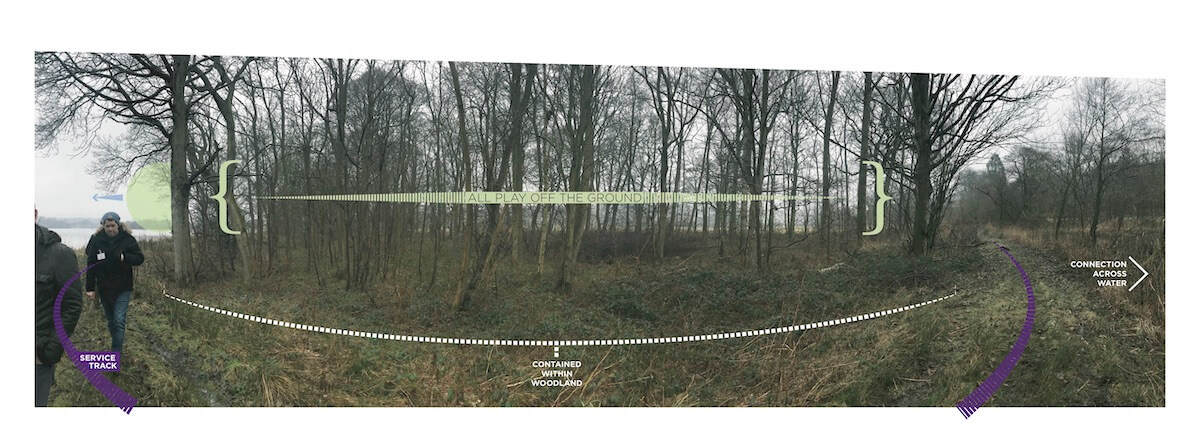
With this brief, and a focus on working with the story of place and the rich wildlife at Castle Howard, CAP.CO began the concept development process with some site visits. At these early visits, the team were exploring the site when they looked across the water and spotted what appeared to be a separate island. This ‘island’ was in fact part of the same woodland, just curved around the waters’ edge, with a small water inlet separating the two banks on the edge of the Great Lake. We soon realised it would be the perfect home for a new area, dedicated to play in its own beautiful immersive, natural environment.
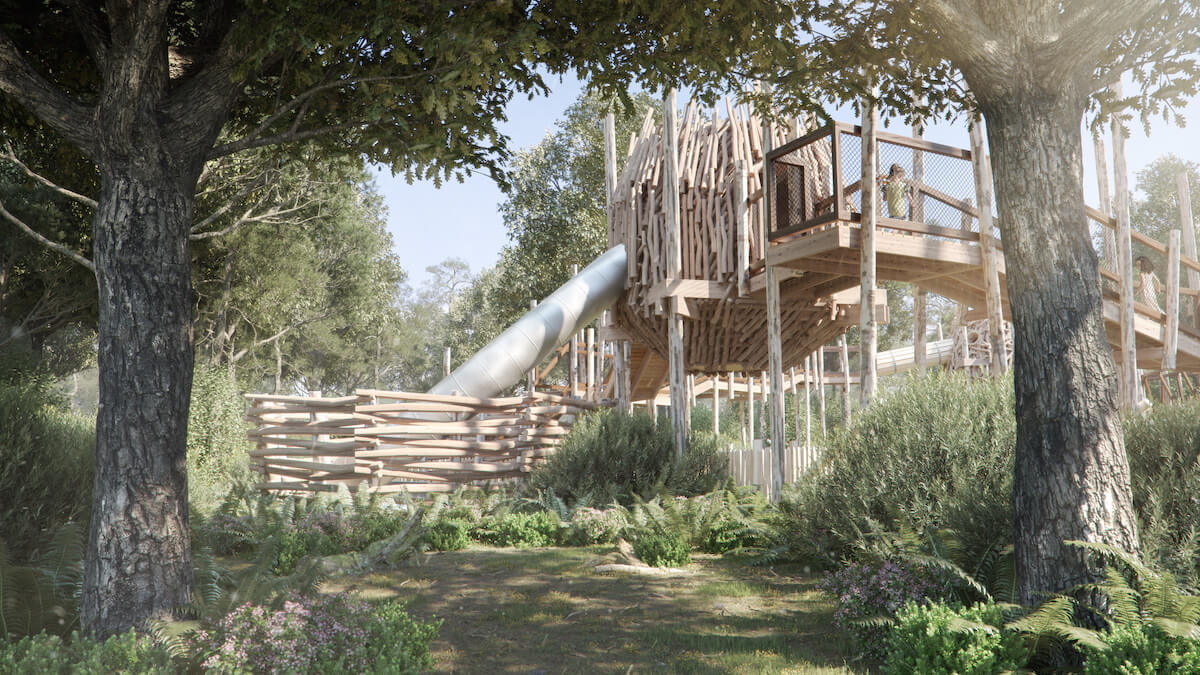
This lakeside ‘island’ site is an area of mixed woodland, home to thriving bird and wildlife, and it was a natural step to look to their nests for inspiration. As the site has damp ground for much of the year, we developed our nest concept further, designing distinctive nests raised off the ground. The design connects the nests with free-standing structures and walkways supported by natural timber poles, whilst being careful not to disturb existing natural habitats.
Around this time of detailing the design, CAP.CO were told the history of the land across from the Great Lake, which is the original Medieval site of Henderskelfe, the settlement that predates Castle Howard. This exciting discovery fired our inspiration and the Skelves were born – creatures who inhabit this lakeside island.
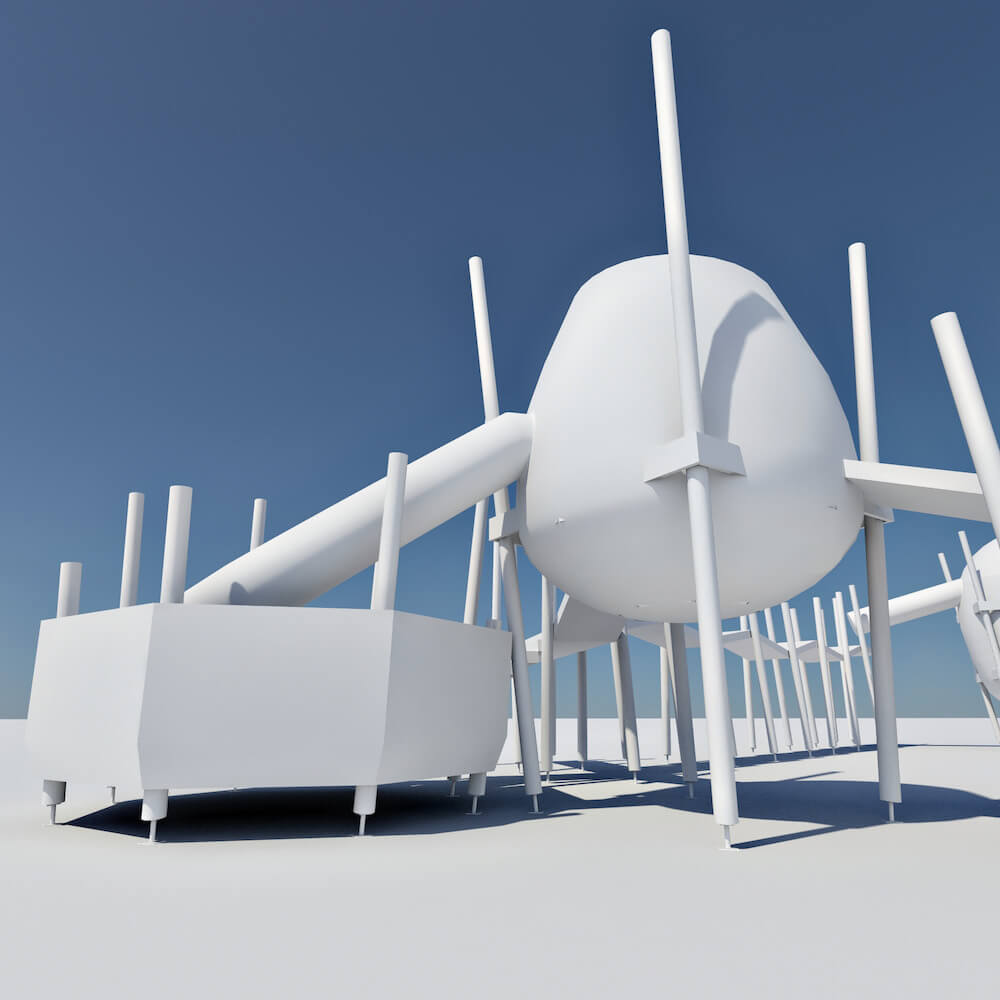
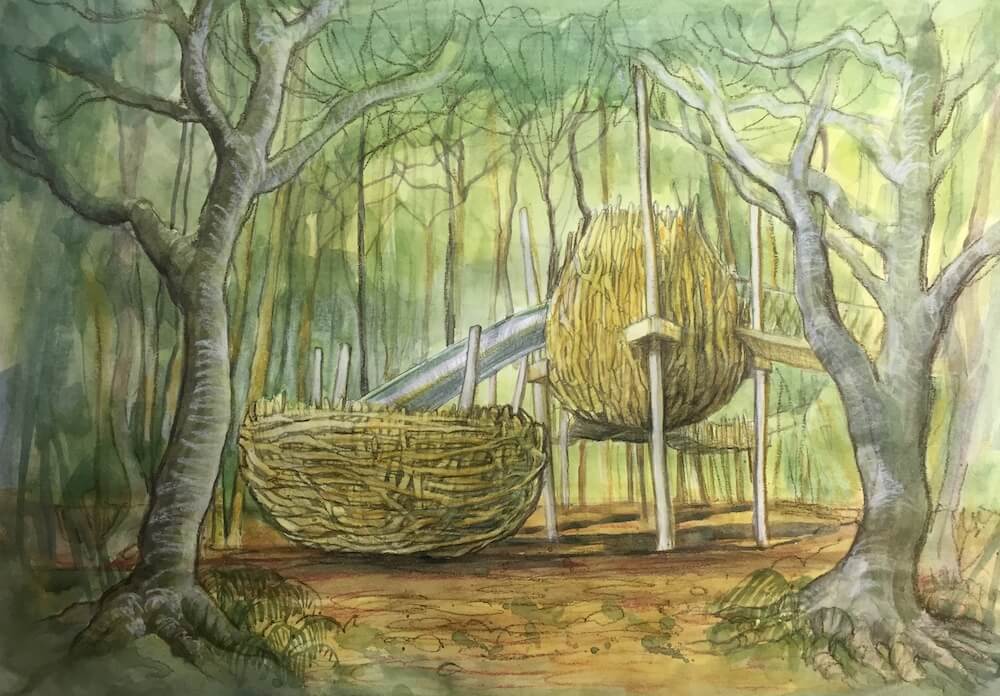
Developing the Skelf Island concept Inspired by the nesting of native British birds, these nest-like play structures form the heart of the new play area. Externally, each structure takes references from specific avian architecture that can be seen within the wildlife surrounding Castle Howard. Ground nests along with Dome nests and Cup nests each form the basis of inspiration for individual structures. This level of detailed influence within the design and build of the nests also offers great opportunities for further future layers of interpretation, narrative and education, which can be integrated within the play area.
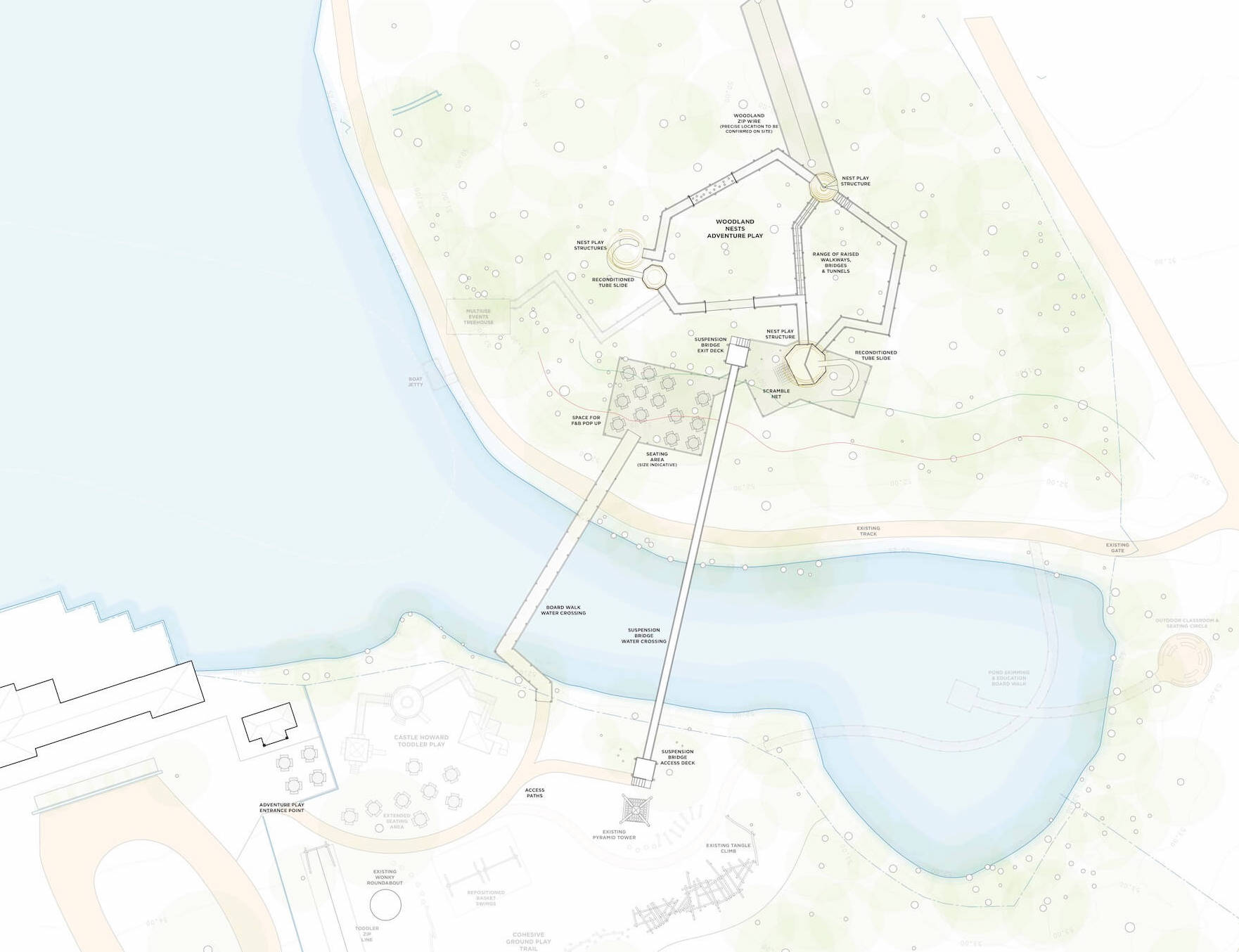
Within the nests themselves, the internal design draws references from the numerous follies and monuments throughout Castle Howard’s grounds. The nests hide a multitude of physical and sensory play: ladders, climbing nets, tunnels and crawl spaces, which add excitement and play value to the structural elements. Windows, peep holes and speaking tubes give intrigue and encourage imagination. The nest structures are also connected by a variety of raised walkways, bridges and tunnels – supported by natural timber posts – that ensure the transition between play elements forms a key part of the overall experience. The cladding of the nests is constructed using a hardwearing natural chestnut – first peeled and treated to give a beautiful natural finish that silvers with age.